Buy quizpatente.eu ?
We are moving the project
quizpatente.eu .
Are you interested in purchasing the domain
quizpatente.eu ?
domain@kv-gmbh.de · 0541-91531010
Buy quizpatente.eu ?
What are demonstrative pronouns and relative pronouns?
Demonstrative pronouns are pronouns that are used to point to specific things or people. Examples of demonstrative pronouns include "this," "that," "these," and "those." Relative pronouns are pronouns that introduce dependent clauses and connect them to independent clauses. Examples of relative pronouns include "who," "whom," "whose," "which," and "that." **
Why are demonstrative pronouns called demonstrative pronouns?
Demonstrative pronouns are called demonstrative because they demonstrate or point to a specific noun or pronoun in a sentence. They help to indicate the position or location of the noun or pronoun in relation to the speaker or listener. By using demonstrative pronouns such as "this," "that," "these," and "those," speakers can make their communication more precise and clear by specifying which person, place, thing, or idea they are referring to. **
Similar search terms for Pronouns
Top-Angebote
Products related to Pronouns:
-
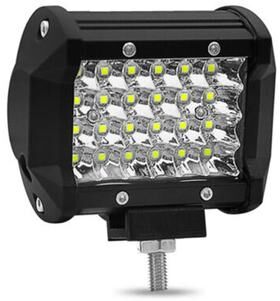
Inspire Essentials LED Light Bar Work Strip For Off Road Driving And Bright Night Visibility 3pcsDrive with confidence no matter how dark the road gets. This LED light bar delivers powerful, bright illumination that helps you see clearly in low visibility conditions. Designed for drivers who need reliable lighting, it combines flood and spot...64,98 $*Shipping: 0,00 $Secure redirect to the provider
-
Inspire Essentials LED Work Light Round Off Road Driving Lights Waterproof High Brightness Headlight Set 4pcsDrive with confidence even in the darkest conditions using these powerful LED work lights built for maximum visibility and durability. Whether you are offroading, working at night, or navigating lowlight environments, these lights deliver bright,...58,98 $*Shipping: 0,00 $Secure redirect to the provider
-
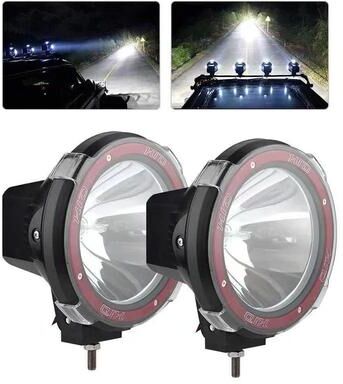
Inspired Living TrailBlaze 100W HID Off Road Driving Lights For Jeep, ATV & Trucks 4inch 1pcIlluminate every trail with confidence and clarity. The TrailBlaze 100W HID Off Road Driving Lights are built for drivers who refuse to let darkness slow them down. Designed for Jeeps, trucks, ATVs, boats, and tractors, these highpowered lamps cut...121,97 $*Shipping: 0,00 $Secure redirect to the provider
-
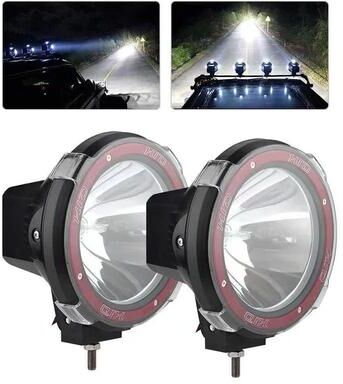
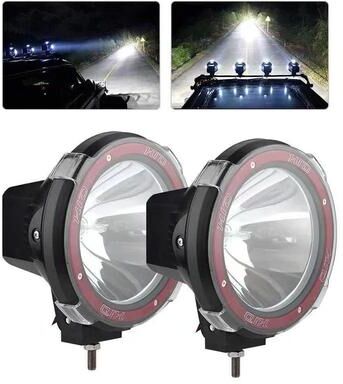
Inspired Living TrailBlaze 100W HID Off Road Driving Lights For Jeep, ATV & Trucks 7inch 1pcIlluminate every trail with confidence and clarity. The TrailBlaze 100W HID Off Road Driving Lights are built for drivers who refuse to let darkness slow them down. Designed for Jeeps, trucks, ATVs, boats, and tractors, these highpowered lamps cut...158,97 $*Shipping: 0,00 $Secure redirect to the provider


-
With which pronouns do many people confuse reflexive pronouns?
Many people confuse reflexive pronouns with personal pronouns. For example, they may use "myself" or "yourself" instead of "me" or "you" in a sentence. This confusion often occurs when people are trying to emphasize the subject of the sentence, but they mistakenly use a reflexive pronoun instead of a personal pronoun. It's important to understand the difference between reflexive and personal pronouns in order to use them correctly in sentences. **
-
What are pronouns?
Pronouns are words that are used in place of nouns to avoid repetition in a sentence. They can refer to people, places, things, or ideas. Pronouns help make sentences clearer and more concise by replacing specific nouns with general words like "he," "she," "it," "they," and "we." Using pronouns also helps to maintain the flow of writing and make it more engaging for the reader. **
-
Can you help me with personal pronouns and possessive pronouns?
Certainly! Personal pronouns are used to replace nouns in a sentence, such as "I", "you", "he", "she", "it", "we", and "they". Possessive pronouns show ownership or possession, such as "mine", "yours", "his", "hers", "ours", and "theirs". If you need help understanding how to use these pronouns in a sentence or identifying which pronoun to use in a specific context, feel free to ask for more guidance. **
-
What is the difference between relative pronouns and interrogative pronouns?
Relative pronouns are used to connect a dependent clause to an independent clause, providing more information about a noun in the independent clause. They include words like "who," "which," and "that." Interrogative pronouns, on the other hand, are used to ask questions and gather information. They include words like "who," "what," "which," "whom," and "whose." The main difference between the two is their function in a sentence - relative pronouns connect clauses, while interrogative pronouns are used to ask questions. **

What is the difference between personal pronouns and reflexive pronouns?
Personal pronouns are used to refer to people or things, such as "I," "you," "he," "she," "it," "we," and "they." Reflexive pronouns, on the other hand, are used when the subject and object of a sentence are the same person or thing, such as "myself," "yourself," "himself," "herself," "itself," "ourselves," and "themselves." Reflexive pronouns are used to reflect the action back onto the subject, while personal pronouns simply refer to the subject or object. **
Which pronouns do many people often confuse with reflexive pronouns?
Many people often confuse reflexive pronouns with intensive pronouns. Intensive pronouns are used to emphasize a preceding noun or pronoun, while reflexive pronouns are used when the subject and object of a sentence are the same. For example, "I myself will do it" uses an intensive pronoun, while "I hurt myself" uses a reflexive pronoun. It is important to understand the distinction between these two types of pronouns to use them correctly in sentences. **
Top-Angebote
Products related to Pronouns:
-
Inspired Living TrailBlaze 100W HID Off Road Driving Lights For Jeep, ATV & Trucks 7inch 2pcIlluminate every trail with confidence and clarity. The TrailBlaze 100W HID Off Road Driving Lights are built for drivers who refuse to let darkness slow them down. Designed for Jeeps, trucks, ATVs, boats, and tractors, these highpowered lamps cut...235,97 $*Shipping: 0,00 $Secure redirect to the provider
-
Of Wheels Deals Off Road LED Spotlight Bar, Car Working Light, Night Driving Lamp For Truck, SUV, Tractor Headlight Off Road LED Spotlight Bar, Car Working Light, Night Driving Lamp For Truck, SUV, Tractor HeadlightIlluminate Every Journey with Reliable LED Performance Upgrade your vehicle lighting with this LED Car Working Light Spotlight Bar, engineered for powerful illumination during night driving and off road conditions. Whether mounted on your truck,...31,97 $*Shipping: 0,00 $Secure redirect to the provider
-
Inspire Essentials LED Light Bar Work Strip For Off Road Driving And Bright Night Visibility 3pcsDrive with confidence no matter how dark the road gets. This LED light bar delivers powerful, bright illumination that helps you see clearly in low visibility conditions. Designed for drivers who need reliable lighting, it combines flood and spot...64,98 $*Shipping: 0,00 $Secure redirect to the provider
-
Inspire Essentials LED Work Light Round Off Road Driving Lights Waterproof High Brightness Headlight Set 4pcsDrive with confidence even in the darkest conditions using these powerful LED work lights built for maximum visibility and durability. Whether you are offroading, working at night, or navigating lowlight environments, these lights deliver bright,...58,98 $*Shipping: 0,00 $Secure redirect to the provider
-
What are demonstrative pronouns and relative pronouns?
Demonstrative pronouns are pronouns that are used to point to specific things or people. Examples of demonstrative pronouns include "this," "that," "these," and "those." Relative pronouns are pronouns that introduce dependent clauses and connect them to independent clauses. Examples of relative pronouns include "who," "whom," "whose," "which," and "that." **
-
Why are demonstrative pronouns called demonstrative pronouns?
Demonstrative pronouns are called demonstrative because they demonstrate or point to a specific noun or pronoun in a sentence. They help to indicate the position or location of the noun or pronoun in relation to the speaker or listener. By using demonstrative pronouns such as "this," "that," "these," and "those," speakers can make their communication more precise and clear by specifying which person, place, thing, or idea they are referring to. **
-
With which pronouns do many people confuse reflexive pronouns?
Many people confuse reflexive pronouns with personal pronouns. For example, they may use "myself" or "yourself" instead of "me" or "you" in a sentence. This confusion often occurs when people are trying to emphasize the subject of the sentence, but they mistakenly use a reflexive pronoun instead of a personal pronoun. It's important to understand the difference between reflexive and personal pronouns in order to use them correctly in sentences. **
-
What are pronouns?
Pronouns are words that are used in place of nouns to avoid repetition in a sentence. They can refer to people, places, things, or ideas. Pronouns help make sentences clearer and more concise by replacing specific nouns with general words like "he," "she," "it," "they," and "we." Using pronouns also helps to maintain the flow of writing and make it more engaging for the reader. **
Similar search terms for Pronouns
-
Inspired Living TrailBlaze 100W HID Off Road Driving Lights For Jeep, ATV & Trucks 4inch 1pcIlluminate every trail with confidence and clarity. The TrailBlaze 100W HID Off Road Driving Lights are built for drivers who refuse to let darkness slow them down. Designed for Jeeps, trucks, ATVs, boats, and tractors, these highpowered lamps cut...121,97 $*Shipping: 0,00 $Secure redirect to the provider
-
Inspired Living TrailBlaze 100W HID Off Road Driving Lights For Jeep, ATV & Trucks 7inch 1pcIlluminate every trail with confidence and clarity. The TrailBlaze 100W HID Off Road Driving Lights are built for drivers who refuse to let darkness slow them down. Designed for Jeeps, trucks, ATVs, boats, and tractors, these highpowered lamps cut...158,97 $*Shipping: 0,00 $Secure redirect to the provider
-
Inspired Living TrailBlaze 100W HID Off Road Driving Lights For Jeep, ATV & Trucks 4inch 2pcIlluminate every trail with confidence and clarity. The TrailBlaze 100W HID Off Road Driving Lights are built for drivers who refuse to let darkness slow them down. Designed for Jeeps, trucks, ATVs, boats, and tractors, these highpowered lamps cut...205,97 $*Shipping: 0,00 $Secure redirect to the provider
-
Inspire Essentials LED Light Bar Work Strip For Off Road Driving And Bright Night Visibility 1pcDrive with confidence no matter how dark the road gets. This LED light bar delivers powerful, bright illumination that helps you see clearly in low visibility conditions. Designed for drivers who need reliable lighting, it combines flood and spot...64,98 $*Shipping: 0,00 $Secure redirect to the provider
-
Can you help me with personal pronouns and possessive pronouns?
Certainly! Personal pronouns are used to replace nouns in a sentence, such as "I", "you", "he", "she", "it", "we", and "they". Possessive pronouns show ownership or possession, such as "mine", "yours", "his", "hers", "ours", and "theirs". If you need help understanding how to use these pronouns in a sentence or identifying which pronoun to use in a specific context, feel free to ask for more guidance. **
-
What is the difference between relative pronouns and interrogative pronouns?
Relative pronouns are used to connect a dependent clause to an independent clause, providing more information about a noun in the independent clause. They include words like "who," "which," and "that." Interrogative pronouns, on the other hand, are used to ask questions and gather information. They include words like "who," "what," "which," "whom," and "whose." The main difference between the two is their function in a sentence - relative pronouns connect clauses, while interrogative pronouns are used to ask questions. **
-
What is the difference between personal pronouns and reflexive pronouns?
Personal pronouns are used to refer to people or things, such as "I," "you," "he," "she," "it," "we," and "they." Reflexive pronouns, on the other hand, are used when the subject and object of a sentence are the same person or thing, such as "myself," "yourself," "himself," "herself," "itself," "ourselves," and "themselves." Reflexive pronouns are used to reflect the action back onto the subject, while personal pronouns simply refer to the subject or object. **
-
Which pronouns do many people often confuse with reflexive pronouns?
Many people often confuse reflexive pronouns with intensive pronouns. Intensive pronouns are used to emphasize a preceding noun or pronoun, while reflexive pronouns are used when the subject and object of a sentence are the same. For example, "I myself will do it" uses an intensive pronoun, while "I hurt myself" uses a reflexive pronoun. It is important to understand the distinction between these two types of pronouns to use them correctly in sentences. **
* All prices are inclusive of VAT and, if applicable, plus shipping costs. The offer information is based on the details provided by the respective shop and is updated through automated processes. Real-time updates do not occur, so deviations can occur in individual cases. ** Note: Parts of this content were created by AI.