Buy quizpatente.eu ?
We are moving the project
quizpatente.eu .
Are you interested in purchasing the domain
quizpatente.eu ?
domain@kv-gmbh.de · 0541-91531010
Buy quizpatente.eu ?
Is allosteric inhibition the same as non-competitive inhibition?
Allosteric inhibition and non-competitive inhibition are not the same, although they are related. Non-competitive inhibition refers to the binding of an inhibitor to a site on the enzyme that is not the active site, thereby preventing the substrate from binding to the active site. Allosteric inhibition, on the other hand, occurs when an inhibitor binds to a site on the enzyme that is distinct from the active site, causing a conformational change in the enzyme that reduces its activity. While both types of inhibition involve the binding of an inhibitor to a site other than the active site, allosteric inhibition specifically involves a change in the enzyme's shape and activity. **
What type of inhibition occurs through allosteric activation/inhibition?
Allosteric inhibition occurs when a molecule binds to an allosteric site on an enzyme, causing a conformational change that reduces the enzyme's activity. This type of inhibition is non-competitive, meaning it does not compete with the substrate for the active site. Allosteric activation, on the other hand, occurs when a molecule binds to an allosteric site and enhances the enzyme's activity. Both allosteric inhibition and activation involve the binding of a regulatory molecule to a site other than the active site of the enzyme, leading to a change in the enzyme's activity. **

Similar search terms for Inhibition
Top-Angebote
Products related to Inhibition:
-
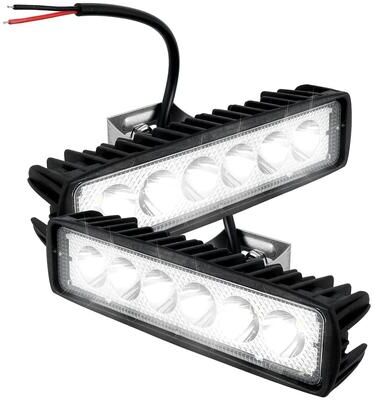
Inspire Essentials LED Light Bar Work Strip For Off Road Driving And Bright Night Visibility 2pcsDrive with confidence no matter how dark the road gets. This LED light bar delivers powerful, bright illumination that helps you see clearly in low visibility conditions. Designed for drivers who need reliable lighting, it combines flood and spot...64,98 $*Shipping: 0,00 $Secure redirect to the provider
-
Inspire Essentials LED Work Light Round Off Road Driving Lights Waterproof High Brightness Headlight Set 4pcsDrive with confidence even in the darkest conditions using these powerful LED work lights built for maximum visibility and durability. Whether you are offroading, working at night, or navigating lowlight environments, these lights deliver bright,...58,98 $*Shipping: 0,00 $Secure redirect to the provider
-
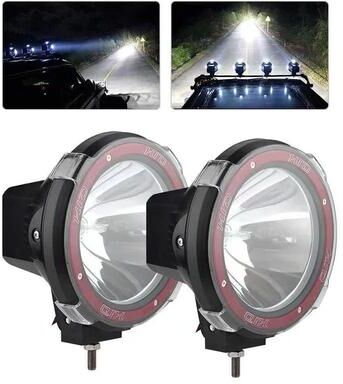
Inspired Living TrailBlaze 100W HID Off Road Driving Lights For Jeep, ATV & Trucks 7inch 1pcIlluminate every trail with confidence and clarity. The TrailBlaze 100W HID Off Road Driving Lights are built for drivers who refuse to let darkness slow them down. Designed for Jeeps, trucks, ATVs, boats, and tractors, these highpowered lamps cut...158,97 $*Shipping: 0,00 $Secure redirect to the provider
-
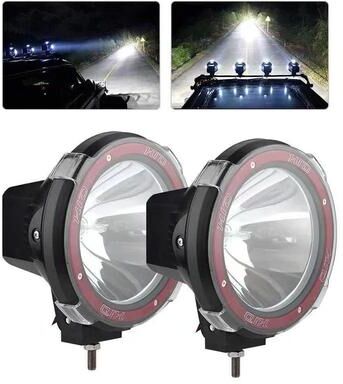
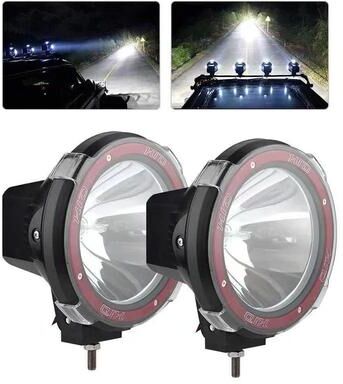
Inspired Living TrailBlaze 100W HID Off Road Driving Lights For Jeep, ATV & Trucks 7inch 2pcIlluminate every trail with confidence and clarity. The TrailBlaze 100W HID Off Road Driving Lights are built for drivers who refuse to let darkness slow them down. Designed for Jeeps, trucks, ATVs, boats, and tractors, these highpowered lamps cut...235,97 $*Shipping: 0,00 $Secure redirect to the provider

-
What is the difference between competitive inhibition and allosteric inhibition?
Competitive inhibition occurs when a molecule competes with the substrate for the active site of an enzyme, effectively blocking the substrate from binding and inhibiting the enzyme's activity. In contrast, allosteric inhibition occurs when a molecule binds to a site on the enzyme other than the active site, causing a conformational change that reduces the enzyme's activity. While competitive inhibition directly competes with the substrate for the active site, allosteric inhibition involves binding to a different site on the enzyme to regulate its activity. **
-
Is allosteric inhibition irreversible?
Allosteric inhibition is typically reversible, meaning that the inhibitor can bind to the allosteric site and block the activity of the enzyme, but can also dissociate from the site, allowing the enzyme to regain its activity. This is in contrast to irreversible inhibition, where the inhibitor forms a covalent bond with the enzyme, permanently inactivating it. **
-
Non-competitive inhibition, right?
Non-competitive inhibition is a type of enzyme inhibition where the inhibitor binds to a site on the enzyme that is not the active site. This binding causes a conformational change in the enzyme, making it less effective at catalyzing the reaction. Non-competitive inhibitors do not compete with the substrate for binding to the enzyme. Instead, they can bind to the enzyme-substrate complex or to a separate allosteric site on the enzyme. **
-
What is allosteric inhibition?
Allosteric inhibition is a type of enzyme regulation where a molecule binds to a site on the enzyme that is different from the active site, causing a conformational change in the enzyme's structure. This change reduces the enzyme's activity and ability to bind to its substrate, ultimately inhibiting its function. Allosteric inhibition is a reversible process and can be used to regulate enzyme activity in response to changing cellular conditions. **

What is the difference between allosteric inhibition and competitive inhibition in biology?
Allosteric inhibition occurs when a molecule binds to an allosteric site on an enzyme, causing a conformational change that reduces the enzyme's activity. This type of inhibition is non-competitive and can affect multiple enzymes in a metabolic pathway. On the other hand, competitive inhibition occurs when a molecule competes with the substrate for the active site of the enzyme, effectively blocking the substrate from binding and reducing the enzyme's activity. Competitive inhibition can be overcome by increasing the concentration of the substrate, while allosteric inhibition cannot be overcome in the same way. **
What is the difference between non-competitive inhibition and allosteric inhibition in biochemistry?
Non-competitive inhibition occurs when an inhibitor binds to an enzyme at a site other than the active site, causing a conformational change in the enzyme that reduces its activity. This type of inhibition does not compete with the substrate for binding to the active site. On the other hand, allosteric inhibition occurs when an inhibitor binds to an allosteric site on the enzyme, causing a conformational change that reduces the enzyme's activity. Allosteric inhibition can be reversible or irreversible, and it can be overcome by increasing the concentration of the substrate. **
Top-Angebote
Products related to Inhibition:
-
Inspired Living TrailBlaze 100W HID Off Road Driving Lights For Jeep, ATV & Trucks 4inch 2pcIlluminate every trail with confidence and clarity. The TrailBlaze 100W HID Off Road Driving Lights are built for drivers who refuse to let darkness slow them down. Designed for Jeeps, trucks, ATVs, boats, and tractors, these highpowered lamps cut...205,97 $*Shipping: 0,00 $Secure redirect to the provider
-
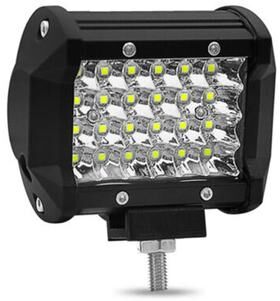
Of Wheels Deals Off Road LED Spotlight Bar, Car Working Light, Night Driving Lamp For Truck, SUV, Tractor Headlight Off Road LED Spotlight Bar, Car Working Light, Night Driving Lamp For Truck, SUV, Tractor HeadlightIlluminate Every Journey with Reliable LED Performance Upgrade your vehicle lighting with this LED Car Working Light Spotlight Bar, engineered for powerful illumination during night driving and off road conditions. Whether mounted on your truck,...31,97 $*Shipping: 0,00 $Secure redirect to the provider
-
Inspire Essentials LED Light Bar Work Strip For Off Road Driving And Bright Night Visibility 2pcsDrive with confidence no matter how dark the road gets. This LED light bar delivers powerful, bright illumination that helps you see clearly in low visibility conditions. Designed for drivers who need reliable lighting, it combines flood and spot...64,98 $*Shipping: 0,00 $Secure redirect to the provider
-
Inspire Essentials LED Work Light Round Off Road Driving Lights Waterproof High Brightness Headlight Set 4pcsDrive with confidence even in the darkest conditions using these powerful LED work lights built for maximum visibility and durability. Whether you are offroading, working at night, or navigating lowlight environments, these lights deliver bright,...58,98 $*Shipping: 0,00 $Secure redirect to the provider
-
Is allosteric inhibition the same as non-competitive inhibition?
Allosteric inhibition and non-competitive inhibition are not the same, although they are related. Non-competitive inhibition refers to the binding of an inhibitor to a site on the enzyme that is not the active site, thereby preventing the substrate from binding to the active site. Allosteric inhibition, on the other hand, occurs when an inhibitor binds to a site on the enzyme that is distinct from the active site, causing a conformational change in the enzyme that reduces its activity. While both types of inhibition involve the binding of an inhibitor to a site other than the active site, allosteric inhibition specifically involves a change in the enzyme's shape and activity. **
-
What type of inhibition occurs through allosteric activation/inhibition?
Allosteric inhibition occurs when a molecule binds to an allosteric site on an enzyme, causing a conformational change that reduces the enzyme's activity. This type of inhibition is non-competitive, meaning it does not compete with the substrate for the active site. Allosteric activation, on the other hand, occurs when a molecule binds to an allosteric site and enhances the enzyme's activity. Both allosteric inhibition and activation involve the binding of a regulatory molecule to a site other than the active site of the enzyme, leading to a change in the enzyme's activity. **
-
What is the difference between competitive inhibition and allosteric inhibition?
Competitive inhibition occurs when a molecule competes with the substrate for the active site of an enzyme, effectively blocking the substrate from binding and inhibiting the enzyme's activity. In contrast, allosteric inhibition occurs when a molecule binds to a site on the enzyme other than the active site, causing a conformational change that reduces the enzyme's activity. While competitive inhibition directly competes with the substrate for the active site, allosteric inhibition involves binding to a different site on the enzyme to regulate its activity. **
-
Is allosteric inhibition irreversible?
Allosteric inhibition is typically reversible, meaning that the inhibitor can bind to the allosteric site and block the activity of the enzyme, but can also dissociate from the site, allowing the enzyme to regain its activity. This is in contrast to irreversible inhibition, where the inhibitor forms a covalent bond with the enzyme, permanently inactivating it. **
Similar search terms for Inhibition
-
Inspired Living TrailBlaze 100W HID Off Road Driving Lights For Jeep, ATV & Trucks 7inch 1pcIlluminate every trail with confidence and clarity. The TrailBlaze 100W HID Off Road Driving Lights are built for drivers who refuse to let darkness slow them down. Designed for Jeeps, trucks, ATVs, boats, and tractors, these highpowered lamps cut...158,97 $*Shipping: 0,00 $Secure redirect to the provider
-
Inspired Living TrailBlaze 100W HID Off Road Driving Lights For Jeep, ATV & Trucks 7inch 2pcIlluminate every trail with confidence and clarity. The TrailBlaze 100W HID Off Road Driving Lights are built for drivers who refuse to let darkness slow them down. Designed for Jeeps, trucks, ATVs, boats, and tractors, these highpowered lamps cut...235,97 $*Shipping: 0,00 $Secure redirect to the provider
-
Inspired Living TrailBlaze 100W HID Off Road Driving Lights For Jeep, ATV & Trucks 4inch 1pcIlluminate every trail with confidence and clarity. The TrailBlaze 100W HID Off Road Driving Lights are built for drivers who refuse to let darkness slow them down. Designed for Jeeps, trucks, ATVs, boats, and tractors, these highpowered lamps cut...121,97 $*Shipping: 0,00 $Secure redirect to the provider
-
Inspire Essentials LED Light Bar Work Strip For Off Road Driving And Bright Night Visibility 4pcsDrive with confidence no matter how dark the road gets. This LED light bar delivers powerful, bright illumination that helps you see clearly in low visibility conditions. Designed for drivers who need reliable lighting, it combines flood and spot...64,98 $*Shipping: 0,00 $Secure redirect to the provider
-
Non-competitive inhibition, right?
Non-competitive inhibition is a type of enzyme inhibition where the inhibitor binds to a site on the enzyme that is not the active site. This binding causes a conformational change in the enzyme, making it less effective at catalyzing the reaction. Non-competitive inhibitors do not compete with the substrate for binding to the enzyme. Instead, they can bind to the enzyme-substrate complex or to a separate allosteric site on the enzyme. **
-
What is allosteric inhibition?
Allosteric inhibition is a type of enzyme regulation where a molecule binds to a site on the enzyme that is different from the active site, causing a conformational change in the enzyme's structure. This change reduces the enzyme's activity and ability to bind to its substrate, ultimately inhibiting its function. Allosteric inhibition is a reversible process and can be used to regulate enzyme activity in response to changing cellular conditions. **
-
What is the difference between allosteric inhibition and competitive inhibition in biology?
Allosteric inhibition occurs when a molecule binds to an allosteric site on an enzyme, causing a conformational change that reduces the enzyme's activity. This type of inhibition is non-competitive and can affect multiple enzymes in a metabolic pathway. On the other hand, competitive inhibition occurs when a molecule competes with the substrate for the active site of the enzyme, effectively blocking the substrate from binding and reducing the enzyme's activity. Competitive inhibition can be overcome by increasing the concentration of the substrate, while allosteric inhibition cannot be overcome in the same way. **
-
What is the difference between non-competitive inhibition and allosteric inhibition in biochemistry?
Non-competitive inhibition occurs when an inhibitor binds to an enzyme at a site other than the active site, causing a conformational change in the enzyme that reduces its activity. This type of inhibition does not compete with the substrate for binding to the active site. On the other hand, allosteric inhibition occurs when an inhibitor binds to an allosteric site on the enzyme, causing a conformational change that reduces the enzyme's activity. Allosteric inhibition can be reversible or irreversible, and it can be overcome by increasing the concentration of the substrate. **
* All prices are inclusive of VAT and, if applicable, plus shipping costs. The offer information is based on the details provided by the respective shop and is updated through automated processes. Real-time updates do not occur, so deviations can occur in individual cases. ** Note: Parts of this content were created by AI.