Buy quizpatente.eu ?
We are moving the project
quizpatente.eu .
Are you interested in purchasing the domain
quizpatente.eu ?
domain@kv-gmbh.de · 0541-91531010
Buy quizpatente.eu ?
What is the difference between forensics and criminalistics?
Forensics is the application of scientific methods and techniques to solve crimes and legal issues, while criminalistics is a branch of forensic science that focuses specifically on the analysis of physical evidence in criminal investigations. Forensics encompasses a broader range of disciplines, including DNA analysis, toxicology, and crime scene investigation, while criminalistics is more narrowly focused on the collection, preservation, and analysis of physical evidence such as fingerprints, ballistics, and trace evidence. In summary, forensics is the overarching field that includes criminalistics as a specialized area of study within it. **
How can one study police criminalistics and criminology?
One can study police criminalistics and criminology by pursuing a degree in criminal justice, forensic science, or criminology at a college or university. These programs typically offer courses in criminal investigation techniques, forensic analysis, and the study of criminal behavior. Additionally, individuals can gain practical experience through internships with law enforcement agencies or forensic laboratories. Continuing education and professional development opportunities, such as workshops and seminars, can also provide valuable insights into the latest advancements in police criminalistics and criminology. **
Similar search terms for Criminalistics
Top-Angebote
Products related to Criminalistics:
-
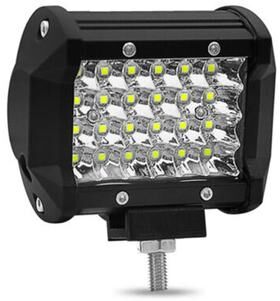
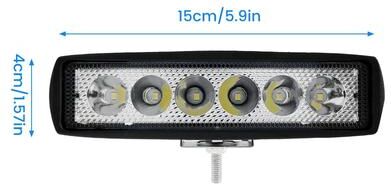
Inspire Essentials LED Light Bar Work Strip For Off Road Driving And Bright Night Visibility 1pcDrive with confidence no matter how dark the road gets. This LED light bar delivers powerful, bright illumination that helps you see clearly in low visibility conditions. Designed for drivers who need reliable lighting, it combines flood and spot...64,98 $*Shipping: 0,00 $Secure redirect to the provider
-
Inspire Essentials LED Work Light Round Off Road Driving Lights Waterproof High Brightness Headlight Set 4pcsDrive with confidence even in the darkest conditions using these powerful LED work lights built for maximum visibility and durability. Whether you are offroading, working at night, or navigating lowlight environments, these lights deliver bright,...58,98 $*Shipping: 0,00 $Secure redirect to the provider
-
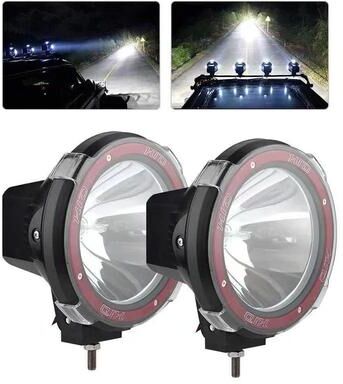
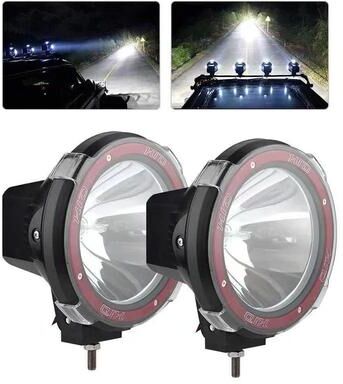
Inspired Living TrailBlaze 100W HID Off Road Driving Lights For Jeep, ATV & Trucks 4inch 2pcIlluminate every trail with confidence and clarity. The TrailBlaze 100W HID Off Road Driving Lights are built for drivers who refuse to let darkness slow them down. Designed for Jeeps, trucks, ATVs, boats, and tractors, these highpowered lamps cut...205,97 $*Shipping: 0,00 $Secure redirect to the provider
-
Inspired Living TrailBlaze 100W HID Off Road Driving Lights For Jeep, ATV & Trucks 7inch 2pcIlluminate every trail with confidence and clarity. The TrailBlaze 100W HID Off Road Driving Lights are built for drivers who refuse to let darkness slow them down. Designed for Jeeps, trucks, ATVs, boats, and tractors, these highpowered lamps cut...235,97 $*Shipping: 0,00 $Secure redirect to the provider


-
What is the difference between criminology and criminalistics?
Criminology is the study of crime, criminals, and the criminal justice system, focusing on the social, psychological, and environmental factors that contribute to criminal behavior. It examines the causes and consequences of crime and seeks to understand how to prevent and control criminal behavior. On the other hand, criminalistics is the scientific analysis and examination of physical evidence related to crime, such as fingerprints, DNA, ballistics, and trace evidence. It involves applying scientific techniques and methods to analyze and interpret evidence in criminal investigations. In summary, criminology focuses on the study of crime and its causes, while criminalistics focuses on the scientific analysis of physical evidence related to crime. **
-
Where are internships available in the field of criminalistics?
Internships in the field of criminalistics are available in various settings such as forensic laboratories, law enforcement agencies, government agencies, and private forensic consulting firms. These internships provide hands-on experience in areas such as crime scene investigation, evidence collection and analysis, forensic technology, and courtroom procedures. Students pursuing a career in criminalistics can gain valuable skills and knowledge through these internships, which can help them secure future employment in the field. **
-
What is the difference between criminalistics and crime scene investigation?
Criminalistics is the scientific analysis of physical evidence in a crime laboratory setting, focusing on techniques such as fingerprint analysis, DNA testing, and ballistics. Crime scene investigation, on the other hand, involves the collection and preservation of physical evidence at the actual crime scene. Crime scene investigators are responsible for documenting the scene, collecting evidence, and ensuring the integrity of the evidence for further analysis by criminalists. In essence, criminalistics is the analysis of evidence in a controlled laboratory environment, while crime scene investigation involves the initial collection and documentation of evidence at the scene of the crime. **
-
In which subject should I write my paper on criminology/criminalistics?
When choosing a subject for your paper on criminology/criminalistics, consider your interests and the specific aspects of the field that intrigue you the most. You could focus on a particular type of crime, such as cybercrime or white-collar crime, or delve into forensic techniques used in criminal investigations. Additionally, exploring the impact of criminological theories on criminal behavior or analyzing the effectiveness of crime prevention strategies could also make for a compelling paper. Ultimately, the subject you choose should align with your academic goals and allow you to showcase your understanding of key concepts in criminology/criminalistics. **

How can one enter the profession of criminalistics and evidence collection?
To enter the profession of criminalistics and evidence collection, one typically needs a combination of education and experience. Many professionals in this field have a bachelor's degree in forensic science, criminal justice, or a related field. Some may also pursue a graduate degree for advanced opportunities. Additionally, gaining hands-on experience through internships, volunteer work, or entry-level positions in law enforcement or forensic labs can be beneficial. It's also important to stay updated on the latest technologies and techniques in the field through continuing education and professional development opportunities. **
How can one enter the profession of criminalistics and evidence preservation?
To enter the profession of criminalistics and evidence preservation, one typically needs a combination of education and experience. A bachelor's degree in forensic science, criminal justice, or a related field is often required. Some positions may also require a master's degree or specialized certification. Gaining experience through internships or entry-level positions in law enforcement agencies, crime labs, or forensic science departments can also be beneficial. Additionally, staying current on advancements in technology and techniques in the field is important for career advancement in criminalistics and evidence preservation. **
Top-Angebote
Products related to Criminalistics:
-
Inspired Living TrailBlaze 100W HID Off Road Driving Lights For Jeep, ATV & Trucks 7inch 1pcIlluminate every trail with confidence and clarity. The TrailBlaze 100W HID Off Road Driving Lights are built for drivers who refuse to let darkness slow them down. Designed for Jeeps, trucks, ATVs, boats, and tractors, these highpowered lamps cut...158,97 $*Shipping: 0,00 $Secure redirect to the provider
-
Of Wheels Deals Off Road LED Spotlight Bar, Car Working Light, Night Driving Lamp For Truck, SUV, Tractor Headlight Off Road LED Spotlight Bar, Car Working Light, Night Driving Lamp For Truck, SUV, Tractor HeadlightIlluminate Every Journey with Reliable LED Performance Upgrade your vehicle lighting with this LED Car Working Light Spotlight Bar, engineered for powerful illumination during night driving and off road conditions. Whether mounted on your truck,...31,97 $*Shipping: 0,00 $Secure redirect to the provider
-
Inspire Essentials LED Light Bar Work Strip For Off Road Driving And Bright Night Visibility 1pcDrive with confidence no matter how dark the road gets. This LED light bar delivers powerful, bright illumination that helps you see clearly in low visibility conditions. Designed for drivers who need reliable lighting, it combines flood and spot...64,98 $*Shipping: 0,00 $Secure redirect to the provider
-
Inspire Essentials LED Work Light Round Off Road Driving Lights Waterproof High Brightness Headlight Set 4pcsDrive with confidence even in the darkest conditions using these powerful LED work lights built for maximum visibility and durability. Whether you are offroading, working at night, or navigating lowlight environments, these lights deliver bright,...58,98 $*Shipping: 0,00 $Secure redirect to the provider
-
What is the difference between forensics and criminalistics?
Forensics is the application of scientific methods and techniques to solve crimes and legal issues, while criminalistics is a branch of forensic science that focuses specifically on the analysis of physical evidence in criminal investigations. Forensics encompasses a broader range of disciplines, including DNA analysis, toxicology, and crime scene investigation, while criminalistics is more narrowly focused on the collection, preservation, and analysis of physical evidence such as fingerprints, ballistics, and trace evidence. In summary, forensics is the overarching field that includes criminalistics as a specialized area of study within it. **
-
How can one study police criminalistics and criminology?
One can study police criminalistics and criminology by pursuing a degree in criminal justice, forensic science, or criminology at a college or university. These programs typically offer courses in criminal investigation techniques, forensic analysis, and the study of criminal behavior. Additionally, individuals can gain practical experience through internships with law enforcement agencies or forensic laboratories. Continuing education and professional development opportunities, such as workshops and seminars, can also provide valuable insights into the latest advancements in police criminalistics and criminology. **
-
What is the difference between criminology and criminalistics?
Criminology is the study of crime, criminals, and the criminal justice system, focusing on the social, psychological, and environmental factors that contribute to criminal behavior. It examines the causes and consequences of crime and seeks to understand how to prevent and control criminal behavior. On the other hand, criminalistics is the scientific analysis and examination of physical evidence related to crime, such as fingerprints, DNA, ballistics, and trace evidence. It involves applying scientific techniques and methods to analyze and interpret evidence in criminal investigations. In summary, criminology focuses on the study of crime and its causes, while criminalistics focuses on the scientific analysis of physical evidence related to crime. **
-
Where are internships available in the field of criminalistics?
Internships in the field of criminalistics are available in various settings such as forensic laboratories, law enforcement agencies, government agencies, and private forensic consulting firms. These internships provide hands-on experience in areas such as crime scene investigation, evidence collection and analysis, forensic technology, and courtroom procedures. Students pursuing a career in criminalistics can gain valuable skills and knowledge through these internships, which can help them secure future employment in the field. **
Similar search terms for Criminalistics
-
Inspired Living TrailBlaze 100W HID Off Road Driving Lights For Jeep, ATV & Trucks 4inch 2pcIlluminate every trail with confidence and clarity. The TrailBlaze 100W HID Off Road Driving Lights are built for drivers who refuse to let darkness slow them down. Designed for Jeeps, trucks, ATVs, boats, and tractors, these highpowered lamps cut...205,97 $*Shipping: 0,00 $Secure redirect to the provider
-
Inspired Living TrailBlaze 100W HID Off Road Driving Lights For Jeep, ATV & Trucks 7inch 2pcIlluminate every trail with confidence and clarity. The TrailBlaze 100W HID Off Road Driving Lights are built for drivers who refuse to let darkness slow them down. Designed for Jeeps, trucks, ATVs, boats, and tractors, these highpowered lamps cut...235,97 $*Shipping: 0,00 $Secure redirect to the provider
-
Inspired Living TrailBlaze 100W HID Off Road Driving Lights For Jeep, ATV & Trucks 4inch 1pcIlluminate every trail with confidence and clarity. The TrailBlaze 100W HID Off Road Driving Lights are built for drivers who refuse to let darkness slow them down. Designed for Jeeps, trucks, ATVs, boats, and tractors, these highpowered lamps cut...121,97 $*Shipping: 0,00 $Secure redirect to the provider
-
Inspire Essentials LED Light Bar Work Strip For Off Road Driving And Bright Night Visibility 4pcsDrive with confidence no matter how dark the road gets. This LED light bar delivers powerful, bright illumination that helps you see clearly in low visibility conditions. Designed for drivers who need reliable lighting, it combines flood and spot...64,98 $*Shipping: 0,00 $Secure redirect to the provider
-
What is the difference between criminalistics and crime scene investigation?
Criminalistics is the scientific analysis of physical evidence in a crime laboratory setting, focusing on techniques such as fingerprint analysis, DNA testing, and ballistics. Crime scene investigation, on the other hand, involves the collection and preservation of physical evidence at the actual crime scene. Crime scene investigators are responsible for documenting the scene, collecting evidence, and ensuring the integrity of the evidence for further analysis by criminalists. In essence, criminalistics is the analysis of evidence in a controlled laboratory environment, while crime scene investigation involves the initial collection and documentation of evidence at the scene of the crime. **
-
In which subject should I write my paper on criminology/criminalistics?
When choosing a subject for your paper on criminology/criminalistics, consider your interests and the specific aspects of the field that intrigue you the most. You could focus on a particular type of crime, such as cybercrime or white-collar crime, or delve into forensic techniques used in criminal investigations. Additionally, exploring the impact of criminological theories on criminal behavior or analyzing the effectiveness of crime prevention strategies could also make for a compelling paper. Ultimately, the subject you choose should align with your academic goals and allow you to showcase your understanding of key concepts in criminology/criminalistics. **
-
How can one enter the profession of criminalistics and evidence collection?
To enter the profession of criminalistics and evidence collection, one typically needs a combination of education and experience. Many professionals in this field have a bachelor's degree in forensic science, criminal justice, or a related field. Some may also pursue a graduate degree for advanced opportunities. Additionally, gaining hands-on experience through internships, volunteer work, or entry-level positions in law enforcement or forensic labs can be beneficial. It's also important to stay updated on the latest technologies and techniques in the field through continuing education and professional development opportunities. **
-
How can one enter the profession of criminalistics and evidence preservation?
To enter the profession of criminalistics and evidence preservation, one typically needs a combination of education and experience. A bachelor's degree in forensic science, criminal justice, or a related field is often required. Some positions may also require a master's degree or specialized certification. Gaining experience through internships or entry-level positions in law enforcement agencies, crime labs, or forensic science departments can also be beneficial. Additionally, staying current on advancements in technology and techniques in the field is important for career advancement in criminalistics and evidence preservation. **
* All prices are inclusive of VAT and, if applicable, plus shipping costs. The offer information is based on the details provided by the respective shop and is updated through automated processes. Real-time updates do not occur, so deviations can occur in individual cases. ** Note: Parts of this content were created by AI.